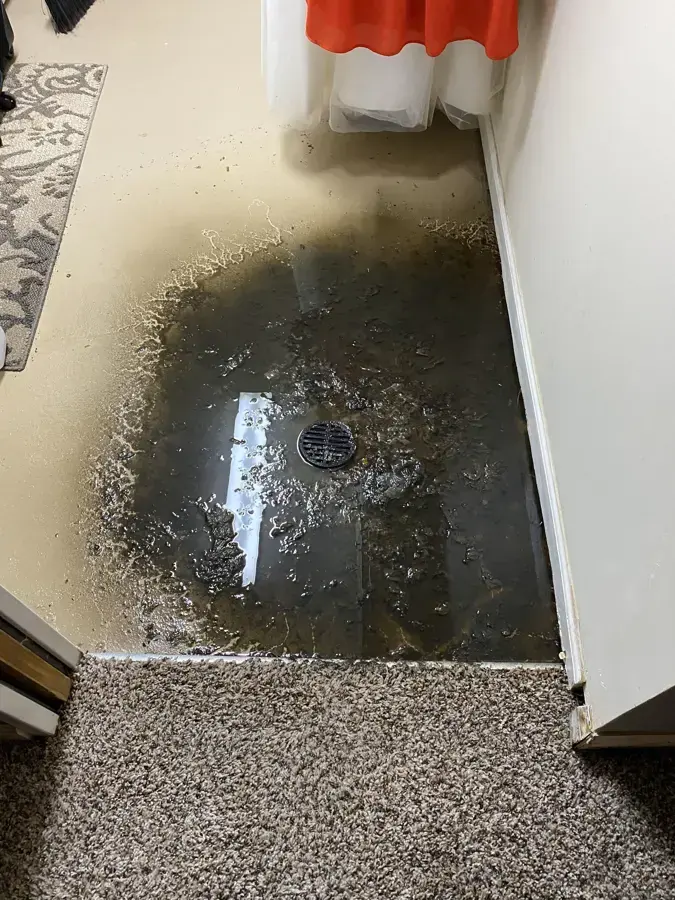
A sewage backup is stressful, and the order of calls is not obvious. In Garden City, the village runs its own sanitary sewer system, so the first call and the cleanup call are two different ones.
Key takeaways
- Garden City maintains its own sanitary sewer system, which flows into the Nassau County sewer system.
- Sewer backups are reported to the village during the day and evening, and to Village Police after midnight.
- Sewage is contaminated water, so porous materials are removed and surfaces are treated.
- Reporting to the village does not clean the house; a restoration team does that.
- Keep children, pets and food away from the affected area until the cleanup is done.
How the sewer system in Garden City is set up
The Village of Garden City maintains its own sanitary sewer system. That system flows into the Nassau County sewer system, and the sewage is treated at county owned plants on the South Shore.
So there are two layers of public responsibility: the village system and the county system beyond it.
Who owns the pipe between a house and the street is a separate question, and the answer varies. The village is the place to ask about a specific address.
A backup can come from the house pipe, from the village system or from the county system downstream. Telling them apart is not something a homeowner can do from the basement or the bathroom, which is why the report to the village matters.
Who to call first
The village has set up a route for water and sewer emergencies. It covers leaks, turn offs and sewer backups, and it runs seven days a week.
During the day and evening, those reports go to the village water and sewer emergency service. Between midnight and early morning, they go to Village Police.
The current numbers are on the village website, which is the safest place to get them.
A written note of the time the backup started, which drains were affected and whether anyone else on the street called helps the village sort out where the problem sits.
- Report the backup to the village so it can check its own sewer pipes.
- Ask whether neighbors are affected, which can point to a problem in the village main rather than the house pipe.
- Call the restoration team for the cleanup itself.
- Tell the insurer about the loss and keep photos of the damage.
Why sewage is not treated like clean water
Water from a toilet or a floor drain backup carries bacteria and other contaminants. Restoration standards call it Category 3.
That changes everything about the cleanup. Carpet, pad, drywall and insulation that touched the water cannot simply be dried; they are porous, so they come out.
Hard surfaces are cleaned and treated, then dried. The goal is to return the space to a condition where people can use it safely.
What to do while waiting
A few quick steps protect people while the response is arranged.
- Stop using sinks, tubs, toilets and the washing machine so that more water does not enter the drain.
- Keep children and pets out of the area.
- Do not wade through the water barefoot or try to clean it with household tools.
- Turn off the power to affected rooms only if the panel is dry and can be reached safely.
- Open a window if the weather allows, to ventilate the room.
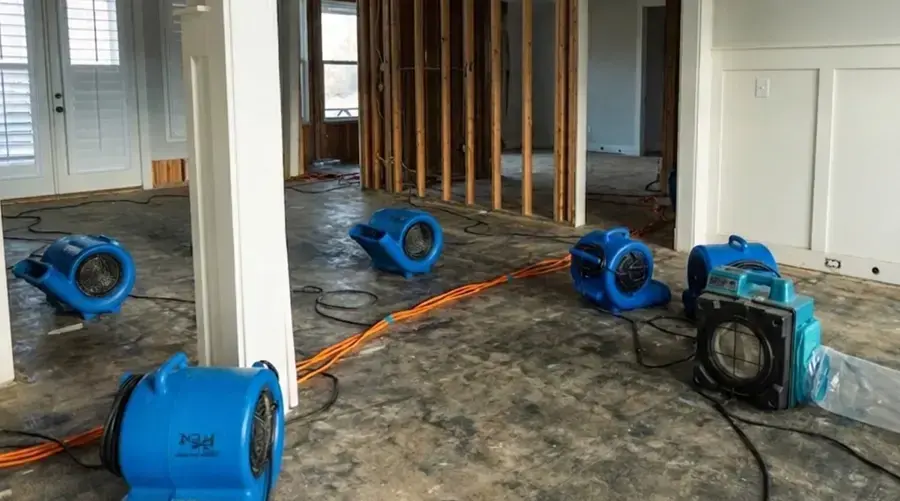
How the cleanup is carried out
The crew begins by containing the area so contamination does not travel through the house. Workers wear protective equipment and extract the liquid first.
Next, the porous materials that were soaked are removed, and surfaces are cleaned and treated with an antimicrobial product.
Extraction and removal
The extraction crew pumps out the liquid and removes soaked carpet, pad and the lower part of walls where the water traveled.
Everything removed is bagged and carried out in a way that keeps the rest of the house clean.
Treatment and drying
After the clean down, air movers and dehumidifiers dry the slab and framing. Readings are logged until they reach the dry standard.
The sewage backup cleanup service covers the full process, and water extraction covers the first stage.
What a backup does to a house
Sewage does not stay where it first appears. It runs across a floor, wicks into the bottom of walls and soaks any soft material in its path.
Rugs, upholstered furniture, cardboard boxes and stored clothing take the water up like sponges. Most of those items cannot be made safe again once they have been wet with sewage.
The smell is a warning sign, but the real concern is what the water carries. That is why the cleanup removes what cannot be treated, instead of masking it.
Local records do not confirm how many Garden City homes have basements or what foundations they sit on. A backup can reach a first floor bathroom just as easily as a lower level.
What matters is the type of water, not the floor. Wherever a backup spreads, it is cleaned as contaminated water.
Neighbors in a village of this size share nearby streets and sewer pipes, so a backup is worth reporting even if the damage seems small.
That also means a village this size has many homes close to the same streets and sewer pipes. A backup that looks small at one address is worth reporting, because a neighbor may be seeing the same thing.
- Soaked carpet and pad are removed, not dried.
- Drywall and insulation that wicked the water are cut out above the wet mark.
- Hard floors, tile and concrete are cleaned and treated.
- Stored items are sorted, and soft goods are usually discarded.
After the cleanup: drying, checks and prevention
Once the contaminated material is out, the space still holds moisture. Drying equipment runs until meters show the framing and slab are back to normal readings.
The Garden City hub lists every service the crew provides in the village, including structural drying for the final stage.
Take photos before and after, and keep receipts for any repairs. The insurer will ask for them.
Nobody can prevent every backup, but a few habits reduce the odds of a repeat.
- Keep grease, wipes and other items out of drains.
- Note the date and what the drains were doing when the backup occurred.
- Ask the village about the condition of its sewer pipes in the area.
- Ask a plumber to scope the house pipe if backups repeat.
- Keep a short note of the date, the weather and what the drains were doing when the backup began.
Questions
Who maintains the sewers in Garden City?
The village maintains its own sanitary sewer system, which flows into the Nassau County sewer system.
What happens after midnight?
Water and sewer emergencies between midnight and early morning go to Village Police.
Does a sewage backup need professional cleanup?
In most cases, yes. The water is contaminated, and porous materials that touched it have to be removed and surfaces treated.
Is it all right to keep using the bathroom until help arrives?
It is better not to. Running water adds to the backup, so avoid using drains until the problem is found.
Is sewage damage covered by insurance?
Coverage depends on the policy, and sewer backup is often a separate endorsement. The restoration team documents the loss for the insurer.