Water Extraction and Removal in Williston Park, NY
In Williston Park homes and shops, the crew pulls standing water off carpet, tile and hardwood, then maps which materials stayed wet so drying can begin.
(888) 527-9860Get an extraction crew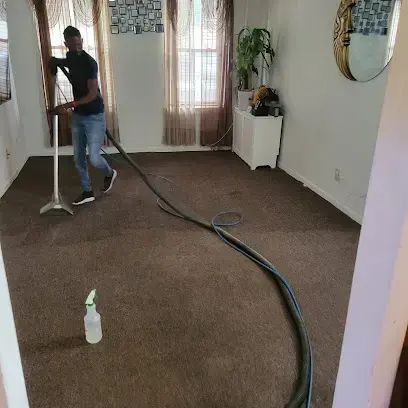
First steps for water extraction and removal in Williston Park
Stop the water
Close the shutoff for the leaking fixture, and cut power to the wet rooms if that is safe.
Lift small items
Move rugs and electronics to dry surfaces.
Photograph the floor
Take dated photos of the water and wet surfaces.
Request extraction
Ask the crew to start pumping before the pad soaks through.
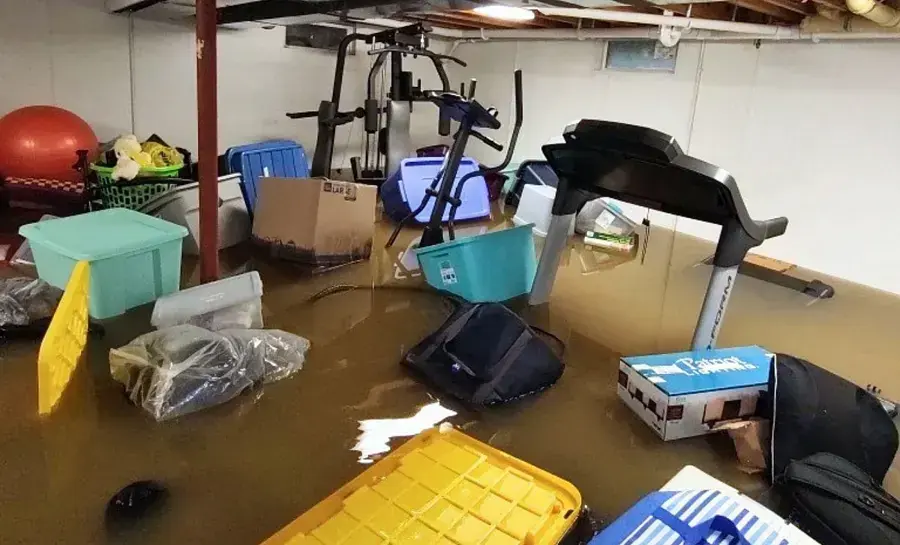
Extraction is the step that decides how big a water loss becomes, because every inch of water pumped off early is water that never reaches the pad, subfloor or wall bottoms. In Williston Park, that matters most in homes and shops with shared walls.
What does water extraction and removal cost in Williston Park, NY?
Extraction alone usually runs from $800 for one clean-water room to $9,000 for a whole floor with carpet and pad out. Drying and any removal are priced on top.
| Scope | Typical range | Usually includes |
|---|---|---|
| One room, clean water | $800 to $2,500 |
|
| Multiple rooms or a lower level | $2,500 to $6,000 |
|
| Whole floor with pad removed | $5,000 to $9,000 |
|
Ranges are typical, not a quote: category of water, square footage, material class and how fast drying started move the number most. Run the water damage cost calculator for a closer range.
How water extraction and removal is handled in Williston Park
The tech who does the walkthrough maps moisture before any equipment goes down, so the drying plan matches what is actually wet. Equipment stays until the readings say dry, not until it looks dry.
- I
Remove
Pumps and wands pull standing water from the floor.
- II
Assess
Meters show which carpet, pad and wall bottoms stayed wet.
- III
Decide
The team decides what dries in place and what comes out.
- IV
Hand off
Extraction notes feed the drying plan and equipment setup.
How extraction works
The crew starts with pumps or truck-mounted units for standing water, then uses extraction wands on carpet and pad to pull out what the floor has absorbed. Hardwood and tile get a gentler, more targeted pass. A single bedroom and a flooded main floor need different setups, so pumps and wands are matched to the size of the loss.
- Standing water pumped off first
- Carpet and pad weighed for removal or drying in place
- Wall bottoms and subfloor checked with meters
- Extraction notes saved for the claim file
Carpet, pad and what stays
Clean water caught early often leaves carpet salvageable, while pad is usually the first thing to go. Wet carpet over a wood subfloor holds water for days, which is why the pad is cut and lifted early. The team checks the backing, the tack strip and the subfloor before deciding, and explains the reasoning in plain terms.
Extraction is only step one
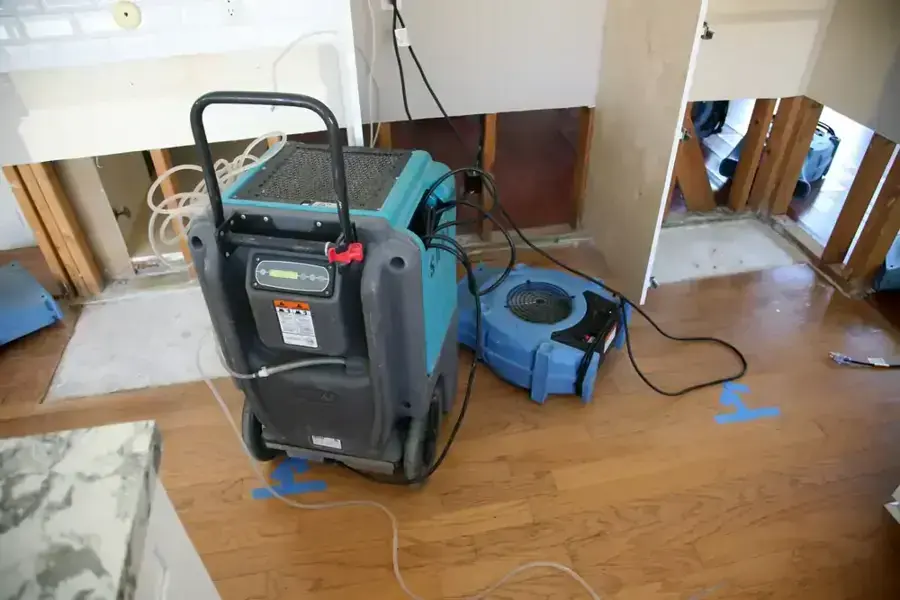
Pulling water off the surface does not dry a structure. Moisture left in framing, plaster and subfloor keeps working, so extraction leads straight into structural drying with air movers and dehumidifiers. Compact lots mean a wet floor often sits beside a shared wall, so the crew checks neighboring rooms too.
Water extraction and removal across Williston Park and nearby villages
Water extraction crews cover ZIP 11596 across Williston Park, including the Hillside Avenue and Willis Avenue corridors, the Syracuse Street and Princeton Street area and the blocks around Cross Street.
The same service nearby: water extraction and removal in Hempstead, Mineola, Garden City.
Water damage restoration in Williston Park · every town covered
Related water damage services in Williston Park
Water Extraction and Removal questions in Williston Park, NY
How quickly should water be extracted?
As early as possible, because pad, subfloor and wall bottoms absorb water right away and damage grows each day.
Will soaked carpet dry out or need replacing?
Often, if the water was clean and extraction happened early. The pad is usually replaced and the team checks the carpet backing before deciding.
What changes when the water is sewage?
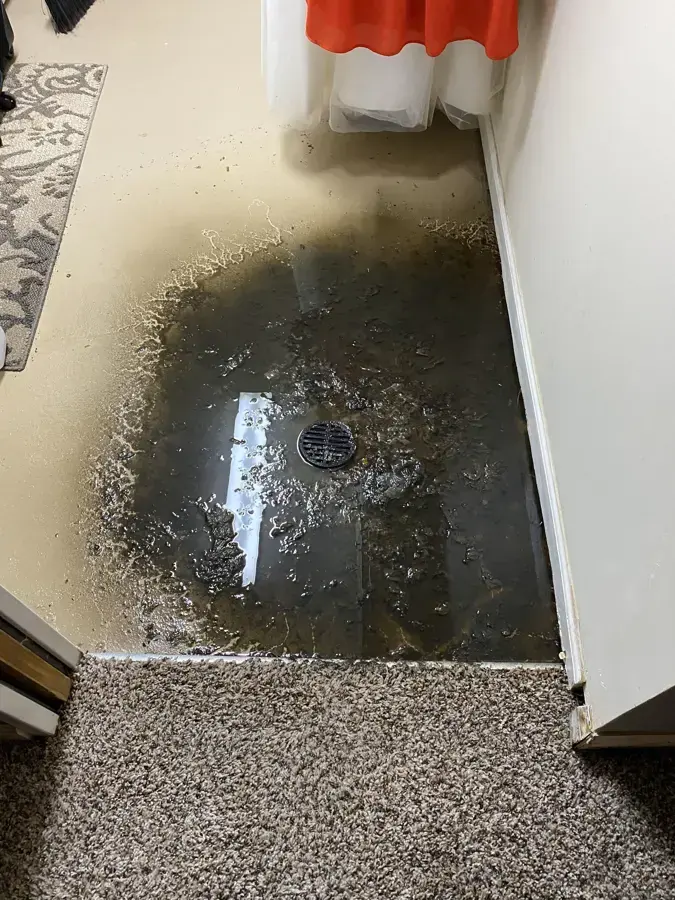
That changes the job. Sewage is Category 3 water, so extraction is followed by removal of porous materials and treatment, covered under sewage backup cleanup.
How are hardwood floors handled after a flood?
It helps, but hardwood needs more than a pass with a wand. Drying mats pull moisture from between boards, and readings show when cupping risk has passed.
Who covers the cost of extraction?
Coverage depends on the policy and the cause of the water, so check with your own insurer. The crew keeps photos and logs that support a claim.
Is the dry out finished once the water is gone?
No. Moisture stays in framing and floors after the surface looks dry, so drying equipment and readings follow extraction.
Get the water out before it spreads
Describe the loss and the extraction crew will explain what happens first, what stays and how drying follows.
(888) 527-9860Crews work day and night